I translate market movements into context, connecting industry, architecture, design and behaviour.
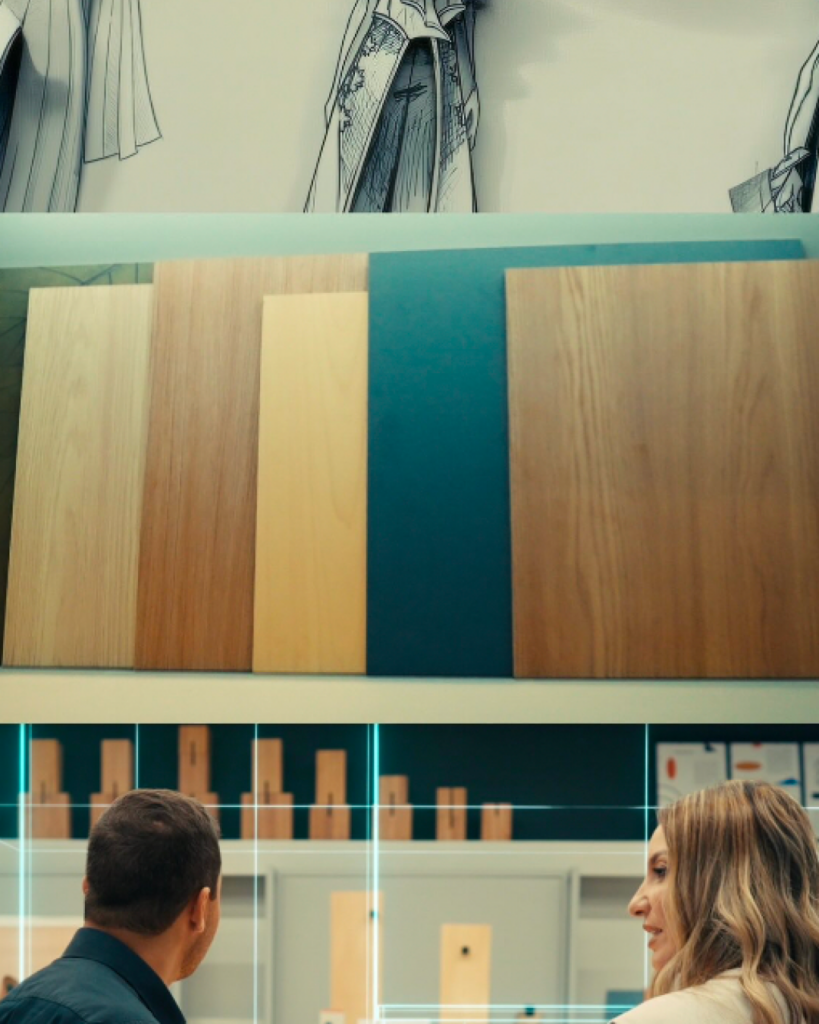
Between construction sites, architecture studios and design ateliers, I developed a habit: while most people look at the finished result, my eye starts with the materials, the textures and the finishes that give spaces their identity.
I’ve worked in the industry since 2017, following product development from its origin. That experience lets me understand how technical, aesthetic and strategic decisions come together to create materials that shape architecture, design and the way we live.
Colour, texture and finish are the first choices in any project. They establish
identity, awaken sensation and guide the experience of a space before the architecture reveals its full intent.
This is the perspective I bring to marketing and strategic design. My work is about interpreting what materials communicate and turning that reading into positioning, content and brand strategy.
This space gathers observations, trends and reflections on design, architecture, surfaces and the market. More than tracking launches, I look to interpret the movements that reveal how people live, choose and relate to the spaces around them.
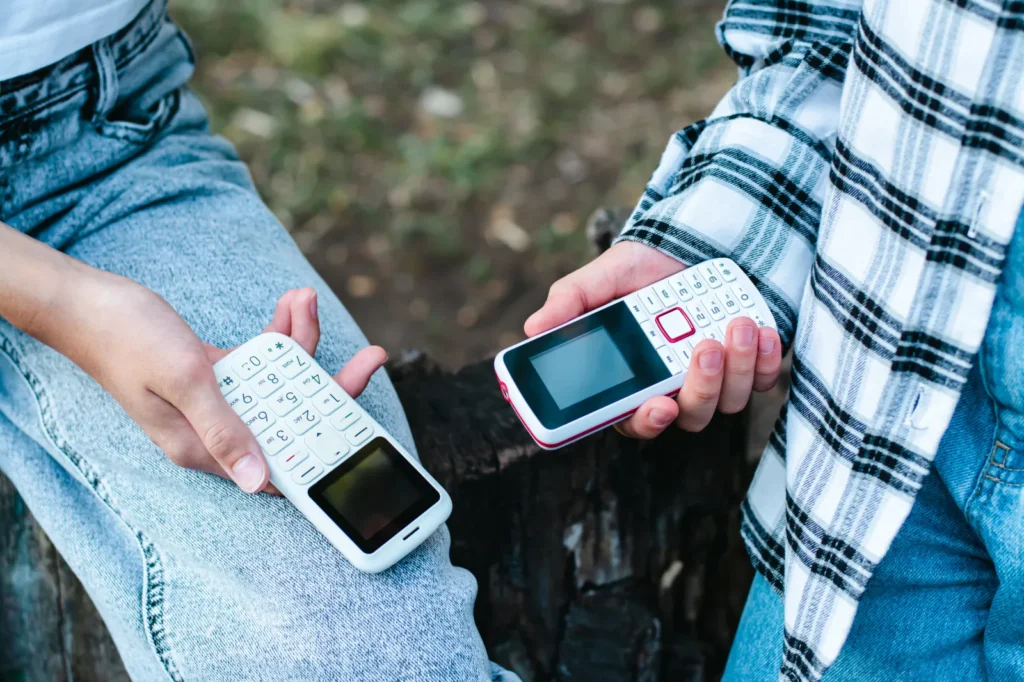
The analog revival is the search for objects, experiences and spaces that work away from the screen, valued for ownership, touch and presence rather than practical use.
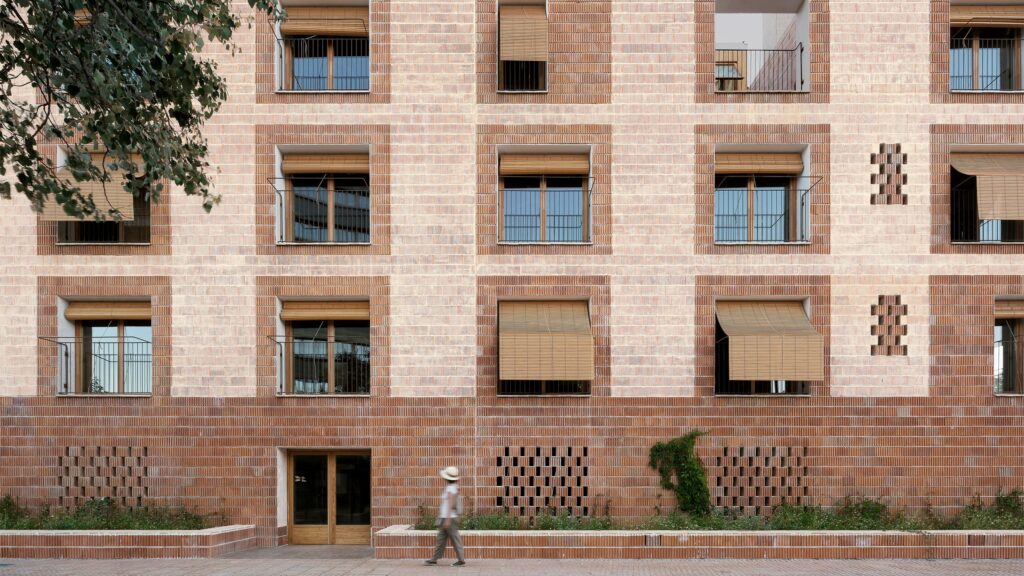
For a long time, what defined innovation in architecture was visible at first glance: an unprecedented facade, a texture that felt new to the touch, a material no one had ever seen on a wall before.
One question has been hanging over every briefing meeting, every architecture award, and every trend report this week: what still holds any value when any image, any text, and any render can be generated in seconds?
The most valuable design of 2026 isn’t the one that wins the eye in the first split second, nor the one that shouts loudest in the room.
Thiago Lins, CEO of Safe Logistics, explains how the US–China tariff war and the reshaping of global trade routes are influencing markets and design.
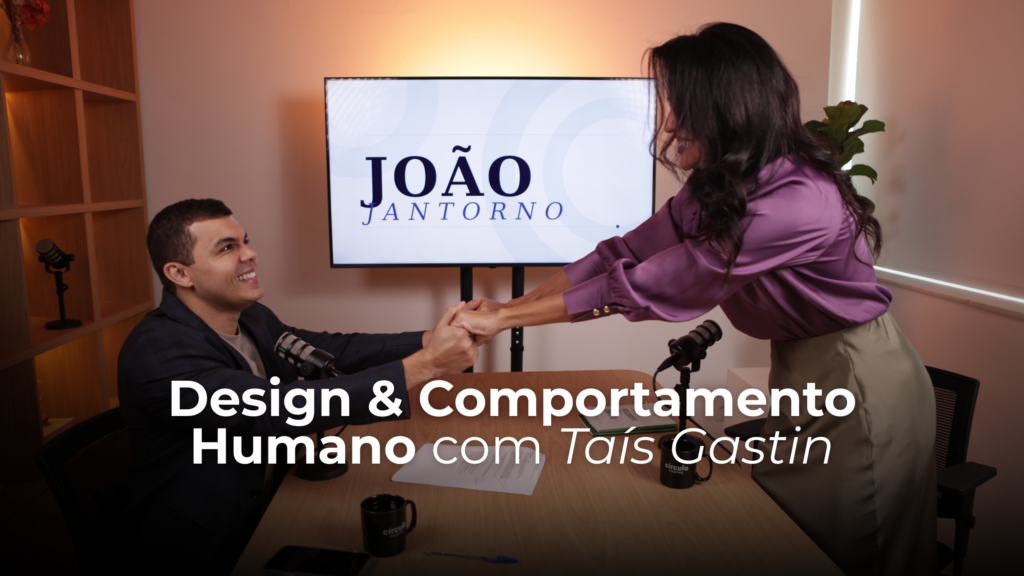
Taís Gastin, author and human behavior researcher, explains how colors, textures, and material choices evoke sensations and turn spaces into experiences.
Architect Cris Locatelli talks about the living room and restaurant she designed for CASACOR Espírito Santo 2026, the influence of woodworking on her family’s history, and how memory and affection find their way into her projects.
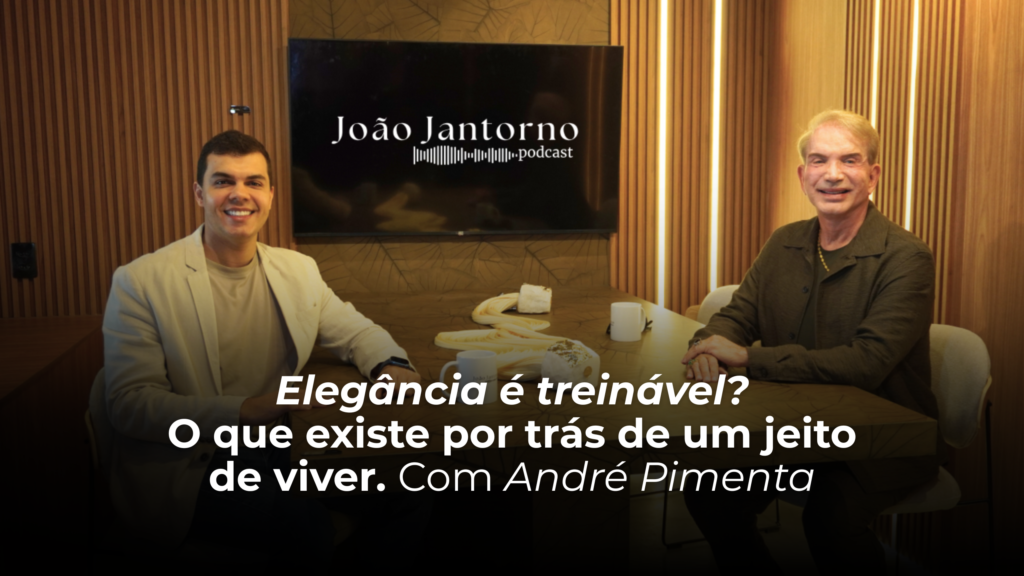
André Pimenta talks about his career in the real estate market, the kitchen architect Daniella Mazega designed in his honor at CASACOR Espírito Santo 2026, and building a personal presence.
New podcast episodes, blog posts and exclusive live sessions, before anyone else.