One question has been hanging over every briefing meeting, every architecture award, and every trend report this week: what still holds any value when any image, any text, and any render can be generated in seconds? The answer keeps coming up, in very different places, and it’s always the same. What matters is what can’t be copied.

What Changed
For the first time, an advertising industry association has chosen two words of the year instead of one: “authenticity” and “agentic AI.” It’s no coincidence they arrived together. After a year of content generated at scale, only 26% of consumers say they prefer AI creators over human ones. Saturation is no longer a hypothesis; it’s the environment every brand is now competing in.
At a recent summit of marketing leaders, the diagnosis was blunt: the CMO role is enjoying something of a peak in relevance, with product launches, technology governance, and brand ethics all rolled into a single function. But the problem facing whoever holds that seat today isn’t a lack of content. It’s too much of it. “AI noise” has become the term these executives themselves use to describe what keeps brands from getting noticed.
Authenticity in Practice
The same shift is showing up in another corner of the market: recent collections are pulling back from the hyper-polished finish of AI-generated imagery to showcase visible handcraft, from studio to atelier. The takeaway is simple: too perfect has started to feel impersonal, and even untrustworthy.
The most literal response to this tension surfaced this week in a small object. A typeface was designed to carry two messages at once: one legible to the human eye, and another that misleads automated data-scraping systems. It’s typography as a defensive gesture, a way of saying that some information should only count for those who actually read it.
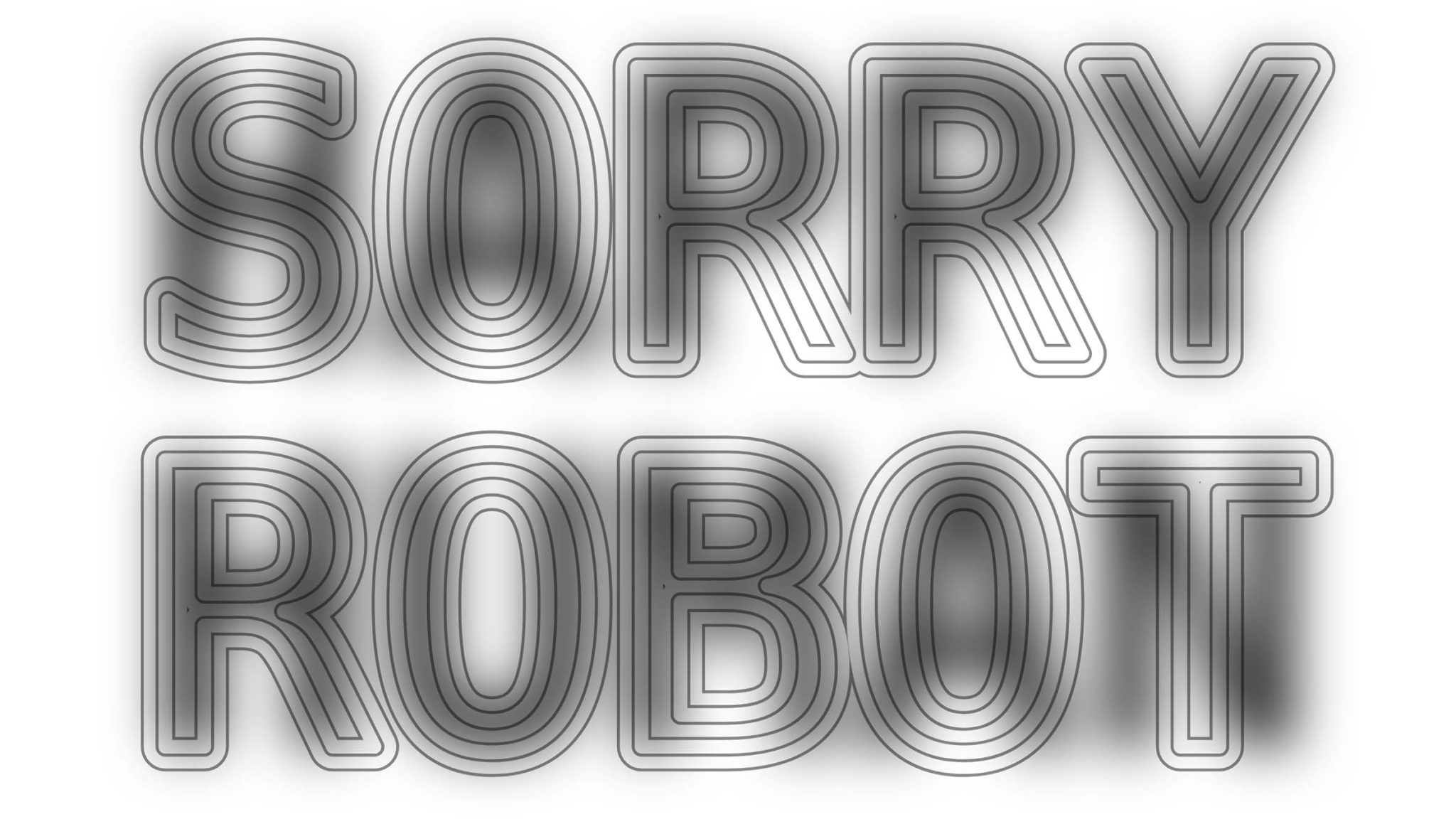
Caption: Decoy Font by Mixfont, a typeface with one message for the human eye and another for AI systems. Photo: Mixfont, via Dezeen.
Why This Changes the Strategy
The problem is that authenticity has always been treated as brand messaging, not as a process decision. It’s easy to write “we’re authentic” in a manifesto and keep producing in the fastest, cheapest way available, which today is exactly the way every competitor can use too.
Three concrete shifts separate those who only talk about authenticity from those who build an advantage on it. The first is making the process visible, not just the result: showing the hand, the sketch, the failed attempt, instead of delivering only the polished final piece. The second is treating the information only the brand has, and the human voice behind it, as assets worth protecting, the kind of thing a competitor can’t reproduce just by cloning a prompt. The third is accepting that this takes more time and more people, and choosing where that price is worth paying instead of applying it across the board.
“What AI reproduces well has become a commodity.
What it can’t reproduce has become positioning.”
What This Has to Do With Architecture
On the eve of a major international architecture congress, the directors of the field’s leading awards opened a public debate on whether an award should remain mere showcase recognition or start to carry responsibility for the social and environmental challenges a project actually faces. It’s the same question marketing is asking, applied to buildings: an award that looks good on display is easy to replicate in any portfolio. A real commitment to the place where the building stands is not.
A tangible example from the opposite end of the spectrum, the built work itself, helps illustrate the point: a copper-clad concert hall in Évian, France, designed to work “like a musical instrument.” It isn’t a generic acoustic box with a nice finish. It’s a structure designed to vibrate and respond to sound in a way that only that building, in that place, can.
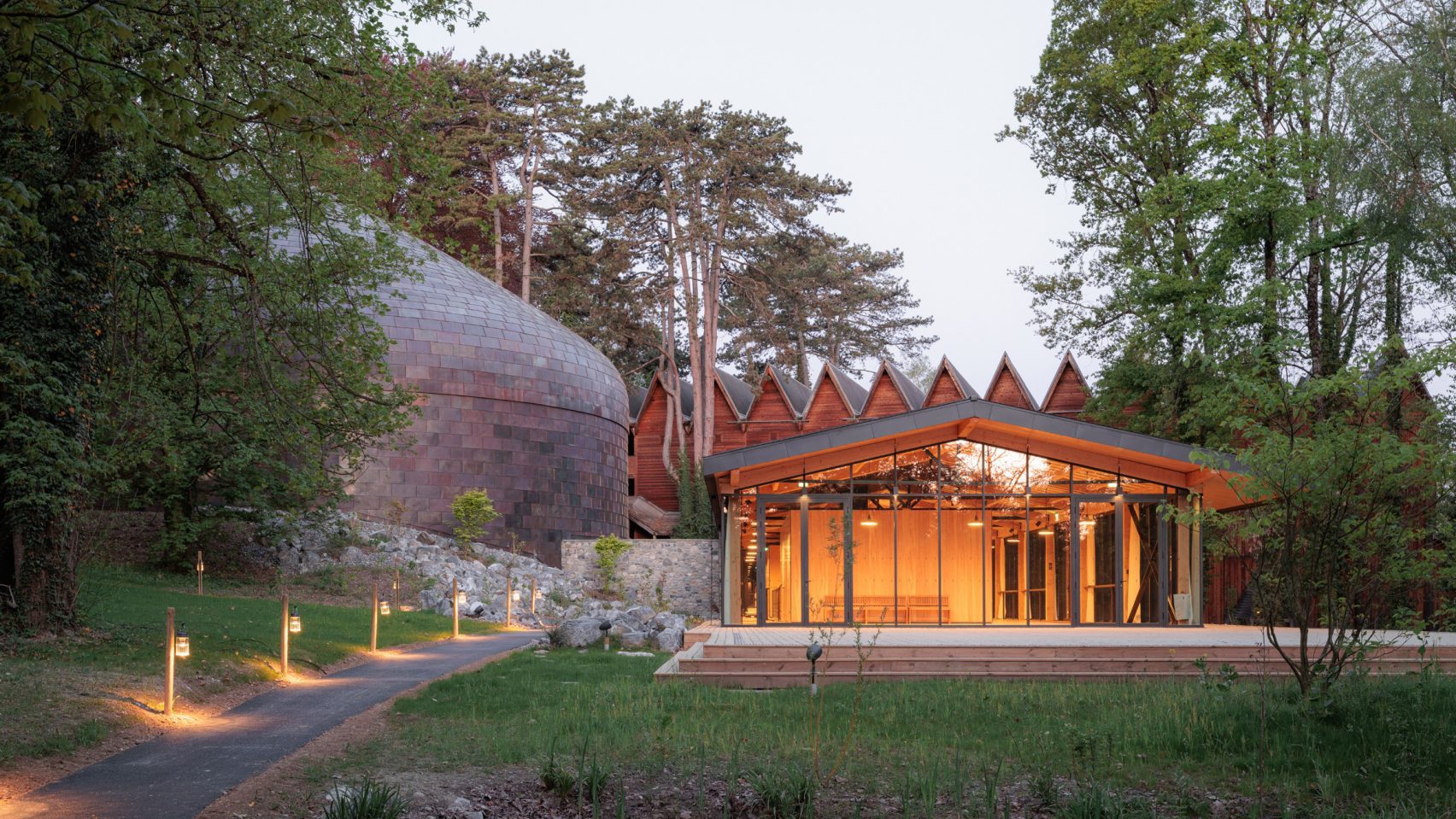
Caption: La Source Vive, a copper-clad concert hall recently completed in Évian, France, designed to work like a musical instrument. Photo: Salem Mostefaoui, courtesy of PCA-Stream, via Dezeen.
The Tension Between Authenticity and Performance
There’s a real risk here: authenticity has also become an advertising buzzword, and a brand can stage handcraft just as shallowly as it once staged perfection. Showing carefully scripted “behind the scenes” content is no more honest than showing the final product; it just uses a different visual code to sell the same thing.
The difference between real authenticity and staged authenticity lies in whether it holds up against copying. Generic behind-the-scenes content can be reproduced by any competitor with the usual effort. But a process, a voice, a design decision that bears the mark of whoever made it: no automated system can replicate that without also replicating its origin.
The Takeaway
At its core, what these recent stories have in common isn’t technology. It’s a price correction. For years, what seemed most valuable was whatever stood out fastest: the most eye-catching image, the flashiest award, the most viral campaign. Now that any of these can be produced at industrial scale by a machine, value has shifted to what resists that scale.
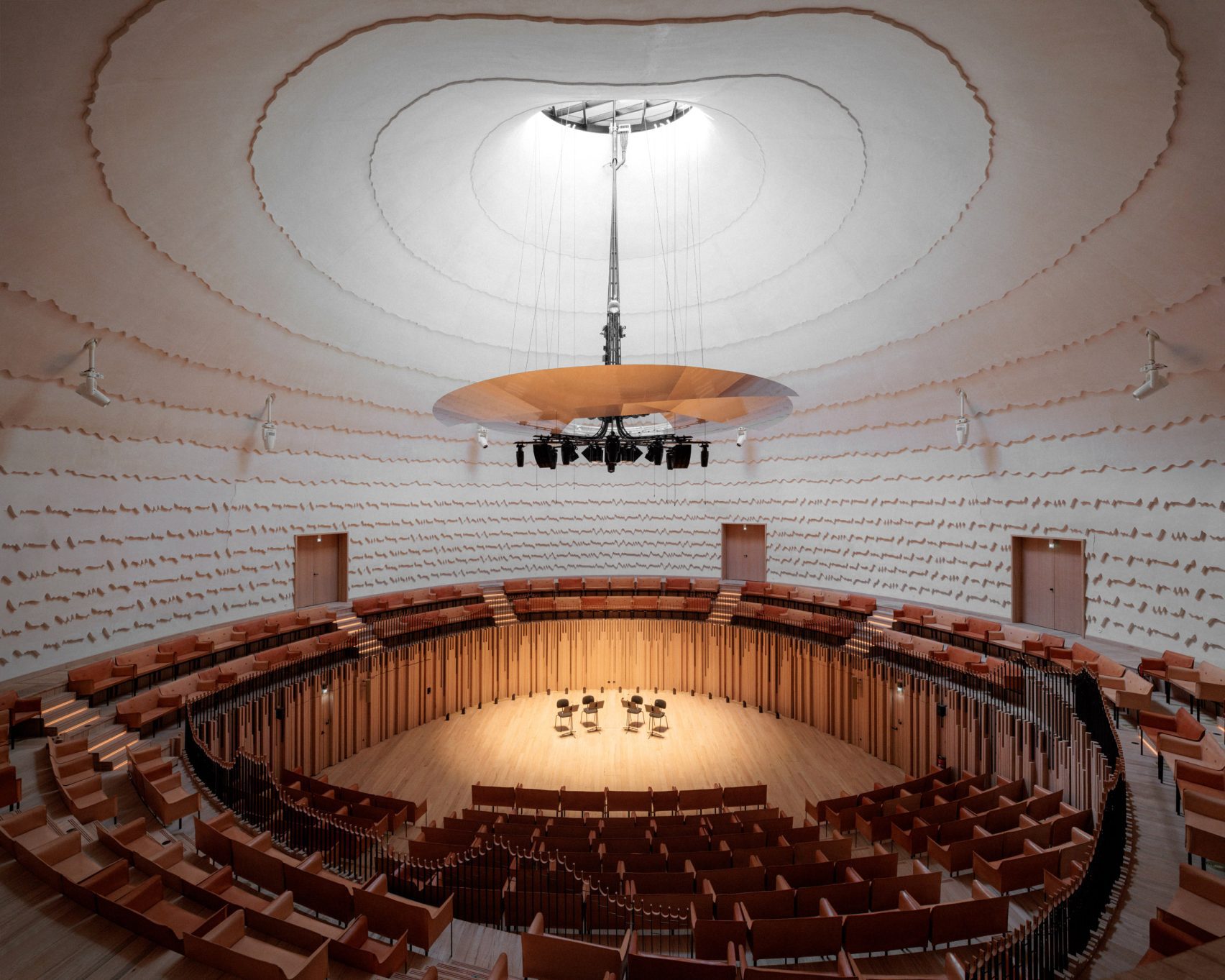
Caption: Inside La Source Vive, raw plaster walls are sculpted with undulating reliefs that project up to eight centimeters at audience level to diffuse sound. The surface doesn’t decorate the hall — it is the instrument. Photo: Salem Mostefaoui, courtesy of PCA-Stream, via Dezeen.
“The competitive edge doesn’t belong to whoever produces fastest.
It belongs to whoever produces something that would be missed if it disappeared.”
References
[1] ASSOCIATION OF NATIONAL ADVERTISERS. “ANA Selects Agentic AI and Authenticity as 2025 Marketing Words of the Year.” ANA, Dec. 2025. Available at: ana.net.
[2] FORBES. “Marketing Trends In Motion: How 2026’s Top CMOs Are Driving Influence.” Forbes, June 25, 2026. Available at: forbes.com/sites/slmashelbayah/2026/06/25/marketing-trends-in-motion-how-2026s-top-cmos-are-driving-influence.
[3] DEZEEN. “Decoy Font protects messages from being read by AI.” Dezeen, July 31, 2026. Available at: dezeen.com/2026/07/31/decoy-font-ai-mixfont.
[4] ARCHDAILY. “Architecture Awards Must Evolve: A Debate on Their Role and Responsibility at the UIA World Congress 2026.” ArchDaily, June 16, 2026. Available at: archdaily.com/1042455.